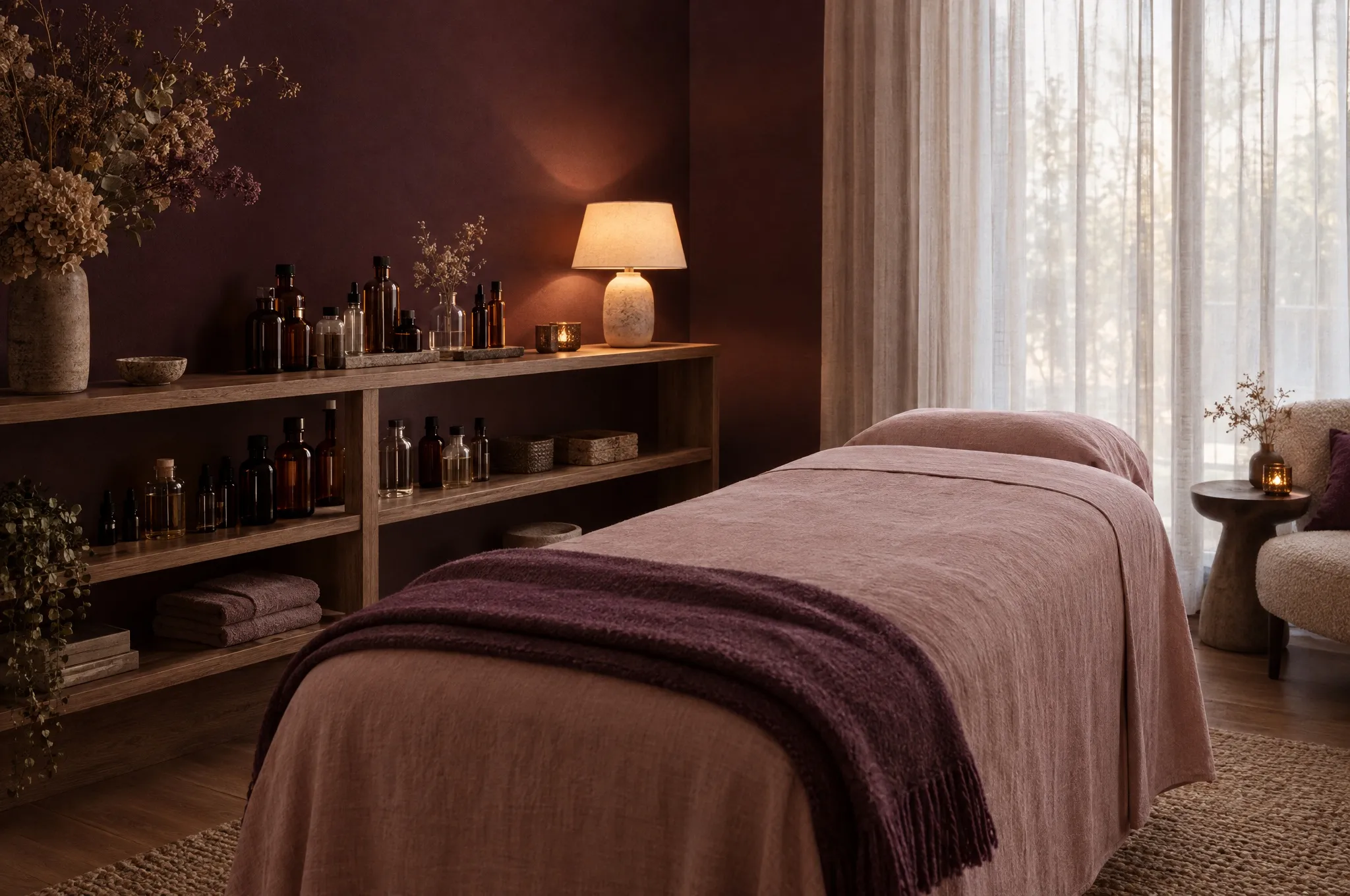
What a hydradermabrasion facial does, step by step
A step-by-step guide to the hydradermabrasion facial: what it does, how it feels, who it suits, aftercare and how to time it before an event.
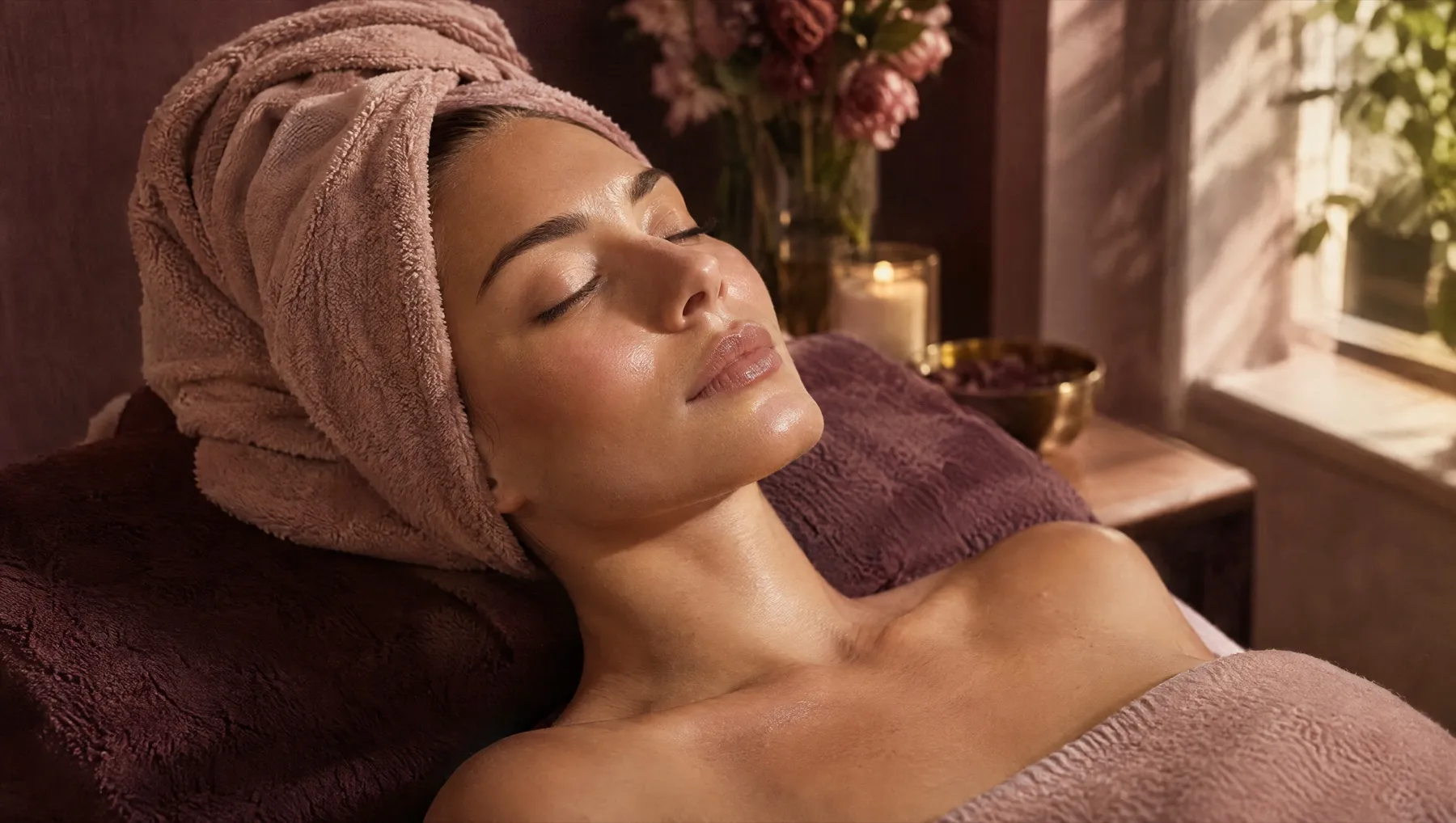
If your skin looks dull, feels tight or never quite seems clean however well you wash it, a hydradermabrasion facial is often a good place to start. It is one of the most popular clinical facials because it suits most skin types and has no real downtime.
Here is what it does, what happens during the treatment and how to get the most from it.
What hydradermabrasion means
The name describes the two things it does at once.
- Hydra means water. The treatment flushes the skin with hydrating serums.
- Dermabrasion means exfoliating the skin’s surface.
Older styles of microdermabrasion used crystals or a rough tip to buff the skin, which could feel scratchy and leave it dry. Hydradermabrasion uses a smooth tip with gentle suction and a steady flow of fluid. It loosens dead cells and surface build-up and lifts them away, while hydration goes straight back in.
In short, it cleanses, exfoliates and hydrates in one treatment. At Velour, a hydradermabrasion facial is $250.
Who it suits
Hydradermabrasion suits most skin types, including olive and deeper skin, because it does not rely on heat. It is especially good for:
- dull or tired-looking skin
- dehydrated skin that feels tight
- mild congestion and blackheads
- uneven texture
- skin that needs a lift before an event
It may not be right if you have active cold sores, a rash, sunburn, broken skin or a skin condition that is flaring. We check your skin before we begin.
Step by step: what happens
1. Skin analysis
Every facial starts by looking closely at your skin. We ask about your routine, any medicines and your concerns, then look at your skin in good light. This guides which serums we use and how firmly we work.
2. Cleanse
Your skin is cleansed to remove makeup, sunscreen and oil.
3. Exfoliate and loosen
The smooth tip moves over the skin with gentle suction and a mild exfoliating serum. This loosens dead cells and softens what is sitting in the pores. You may feel a light pulling sensation, a bit like a tiny vacuum. It is not painful.
4. Extract
A second pass with a clarifying serum helps lift debris from pores. Many people are surprised by what collects in the container afterwards.
5. Hydrate
A final pass floods the skin with hydrating serums while the surface is clean and ready to take them in.
6. Optional LED
You can add an LED session for $50. It is a calming light treatment that many people enjoy at the end of a facial.
7. Protect
We finish with a moisturiser and broad spectrum sunscreen suited to your skin.
How it feels and how you will look
Most people find it relaxing. There is no stinging, no peeling and no heat. Your skin may look a little pink for an hour or two, then settles to a fresh, smooth look. Makeup can usually be worn the next day, although we suggest leaving skin bare for the rest of the day if you can.
Results vary from person to person. A single facial gives an immediate freshness. A course of facials usually works better than one, because skin responds to regular care.
Aftercare
For the next 24 to 48 hours:
- Use a gentle cleanser and moisturiser.
- Avoid exfoliants, scrubs and strong actives.
- Skip saunas, steam rooms and hard workouts for the rest of the day.
- Wear SPF 50+ every day. Freshly exfoliated skin is more sensitive to sun.
How hydradermabrasion compares with other facials
| Facial | Best for | Downtime |
|---|---|---|
| Hydradermabrasion facial, $250 | Dull, dehydrated or lightly congested skin | None for most |
| Extraction facial, $230 | Congested skin and blackheads | Some redness for a day |
| Chemical peel, from $205 | Texture, uneven tone, breakouts | Dryness or flaking for a few days |
| LED light therapy, $100 | A calming session on its own | None |
If you are not sure which to choose, a skin analysis is $50 and is credited against any treatment booked on the day.
Timing around events
Because there is no real downtime, hydradermabrasion is a good choice before a wedding, engagement or Eid. For a first facial, book about a week before, so you know how your skin responds. If you already have facials regularly, three to five days before works well.
During Ramadan, many clients prefer appointments later in the day, so ask us early about late-afternoon or weekend times. Hydration is also harder to keep up while fasting, so a hydrating facial can be a welcome boost.
Building a routine
For ongoing results, many people book every four to six weeks. Between visits, a gentle cleanser, a moisturiser suited to your skin and daily sunscreen do most of the work. We are happy to talk through a simple home routine at your appointment.
When to see your GP
If you have ongoing breakouts that leave scars, sudden adult acne, or a rash that does not settle, see your GP or a dermatologist. Some skin conditions need medical care, and a facial is not a substitute.
Book your facial
Want fresh, hydrated skin with no downtime? Explore our facials and skin treatments, or book a hydradermabrasion facial. Not sure where to start? Book a skin analysis first.